clearfix
clearfix
Checking Fluid Levels
Checking Coolant Level
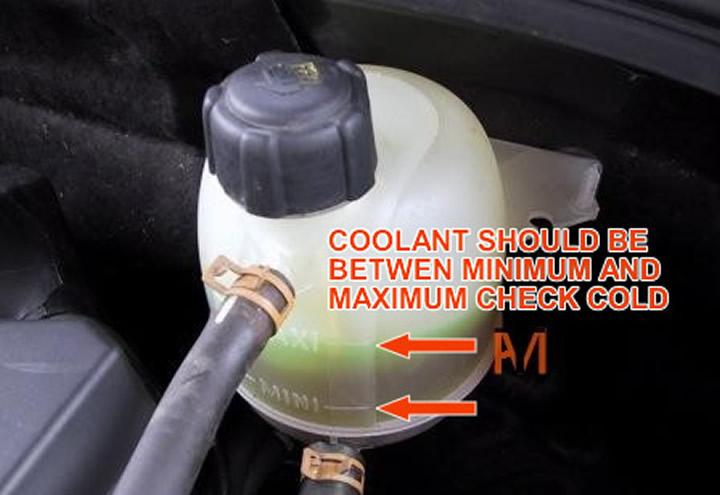
How to Check Engine Oil
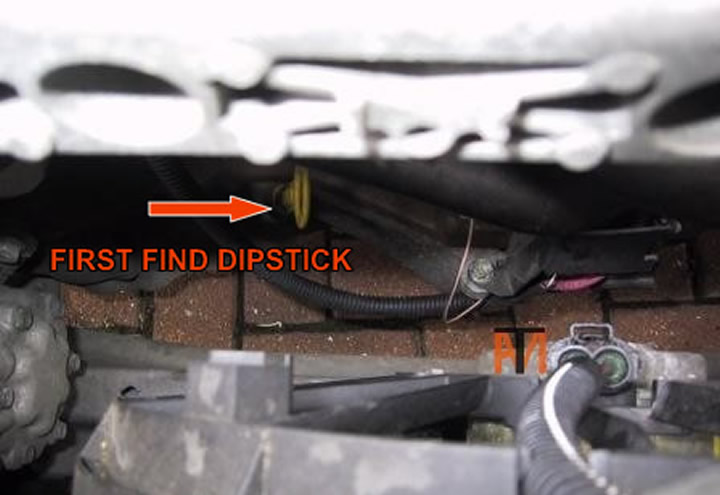
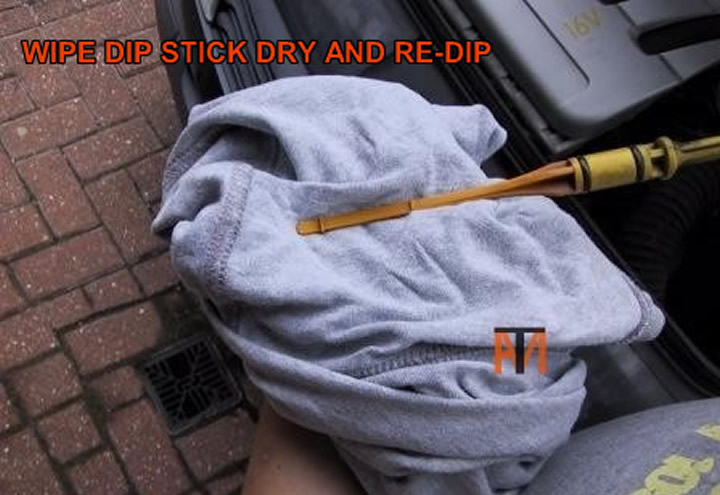
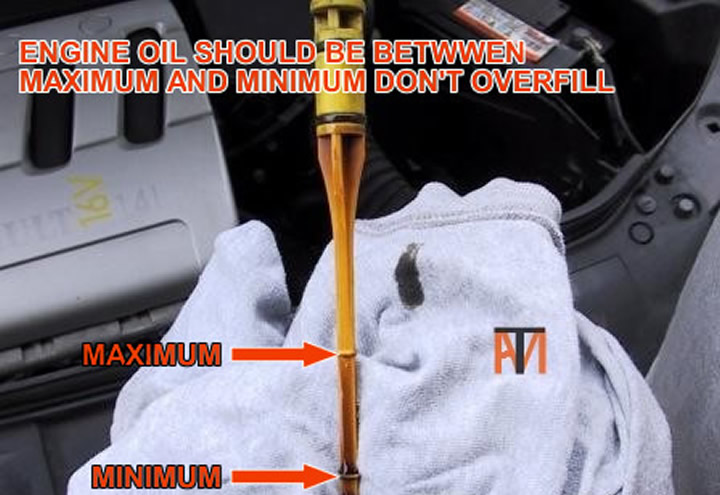
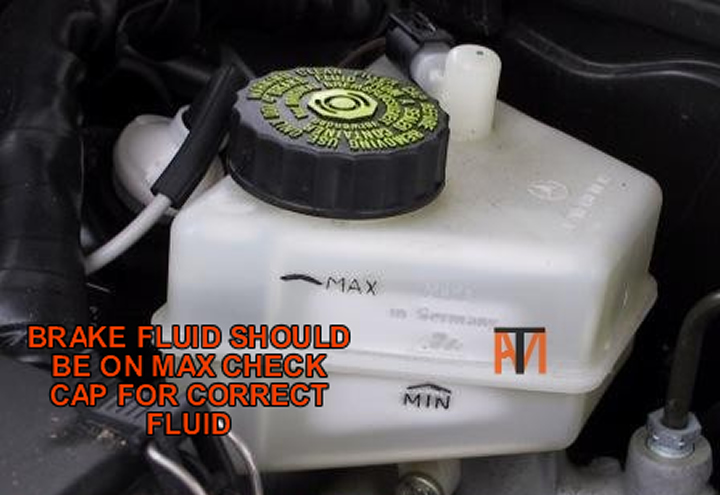
Checking Brake Fluid
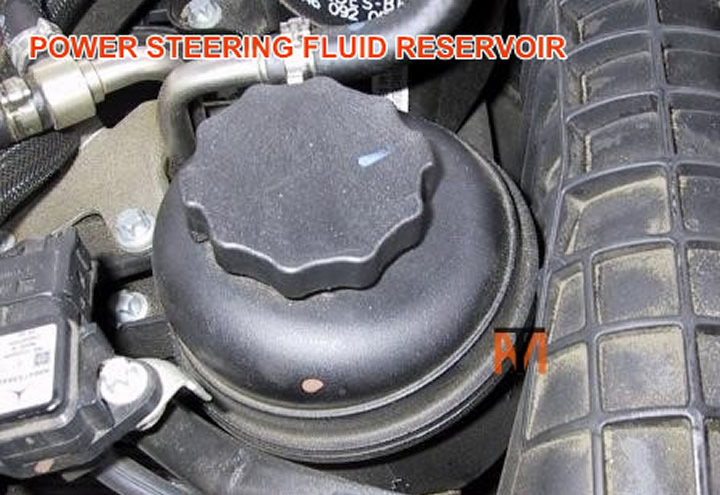
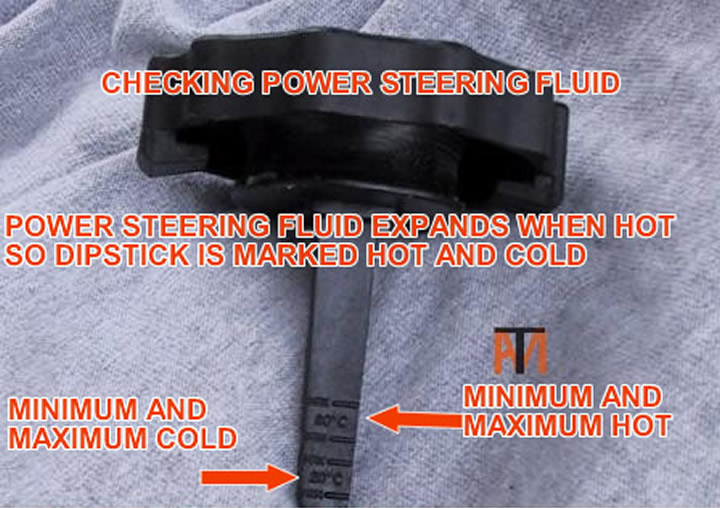
Checking Power Steering Fluid
Is My Anti-Freeze Coolant Strength Ok Will My Car Freeze?
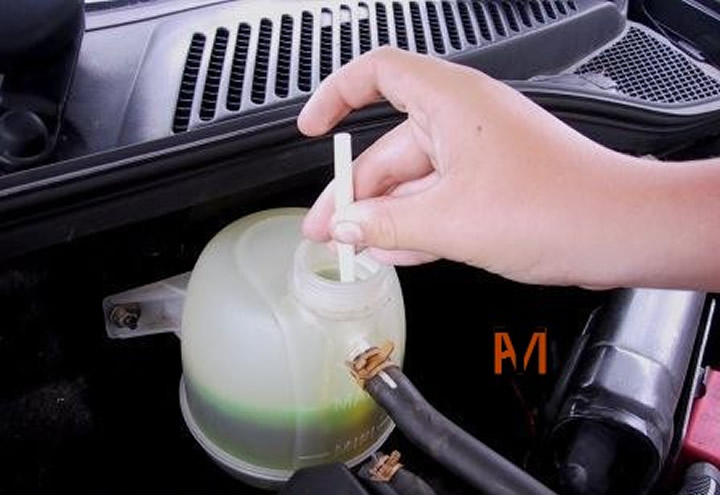
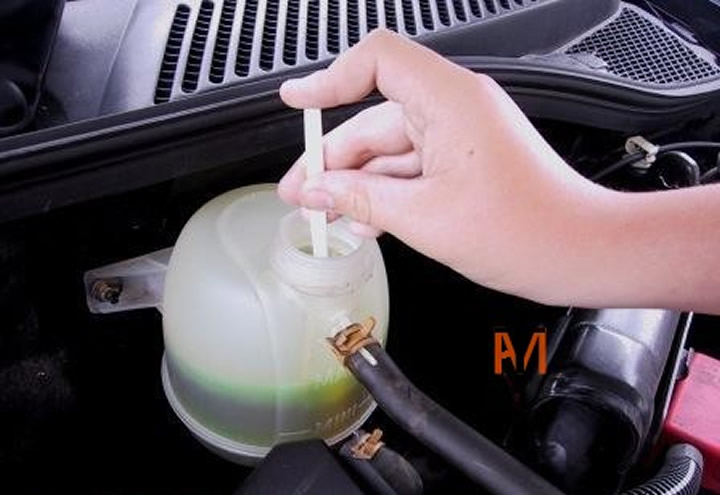
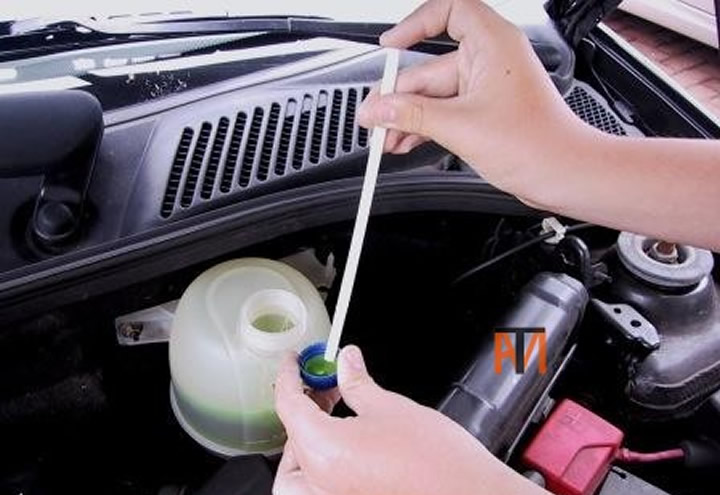
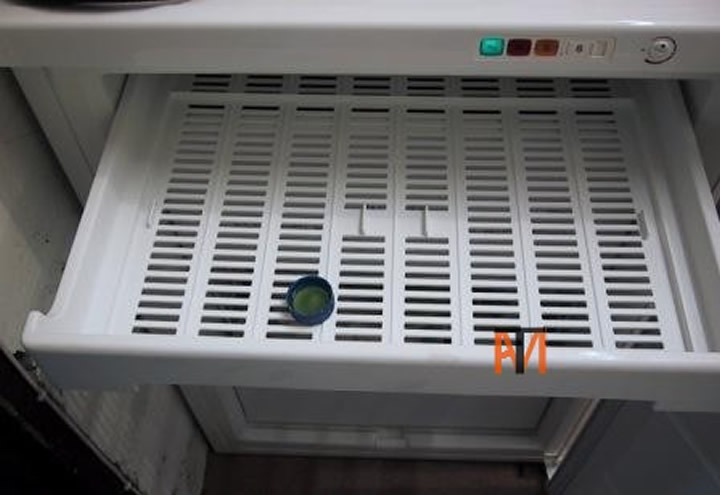
A simple way to check your Anti-freeze strength is wait until the engine is cold (or the coolant may be scalding and under pressure!). First remove the expansion bottle cap, then by placing your finger over a drinking straw in the coolant remove a small amount of coolant which will be held in the straw, this can then be released into a lemonade bottle cap (or any small container), then place this in your freezer compartment overnight, the coolant should not be frozen in the morning. Most freezes work around -18c so you will be ok in England but might still be worth changing if it looks dirty (should be nice colour blue/green/red) as most manufactures will recommend changing your Anti-freeze between 2-3 years, because not only does it stop your car freezing, but it also raises the boiling point and also stops your engine corroding internally as many alloy components are used in a modern car engine.
The Normal strength for the UK is 50% antifreeze and 50% water this will protect you down to -40c.